Last updated
How fast can you deliver during a disaster?
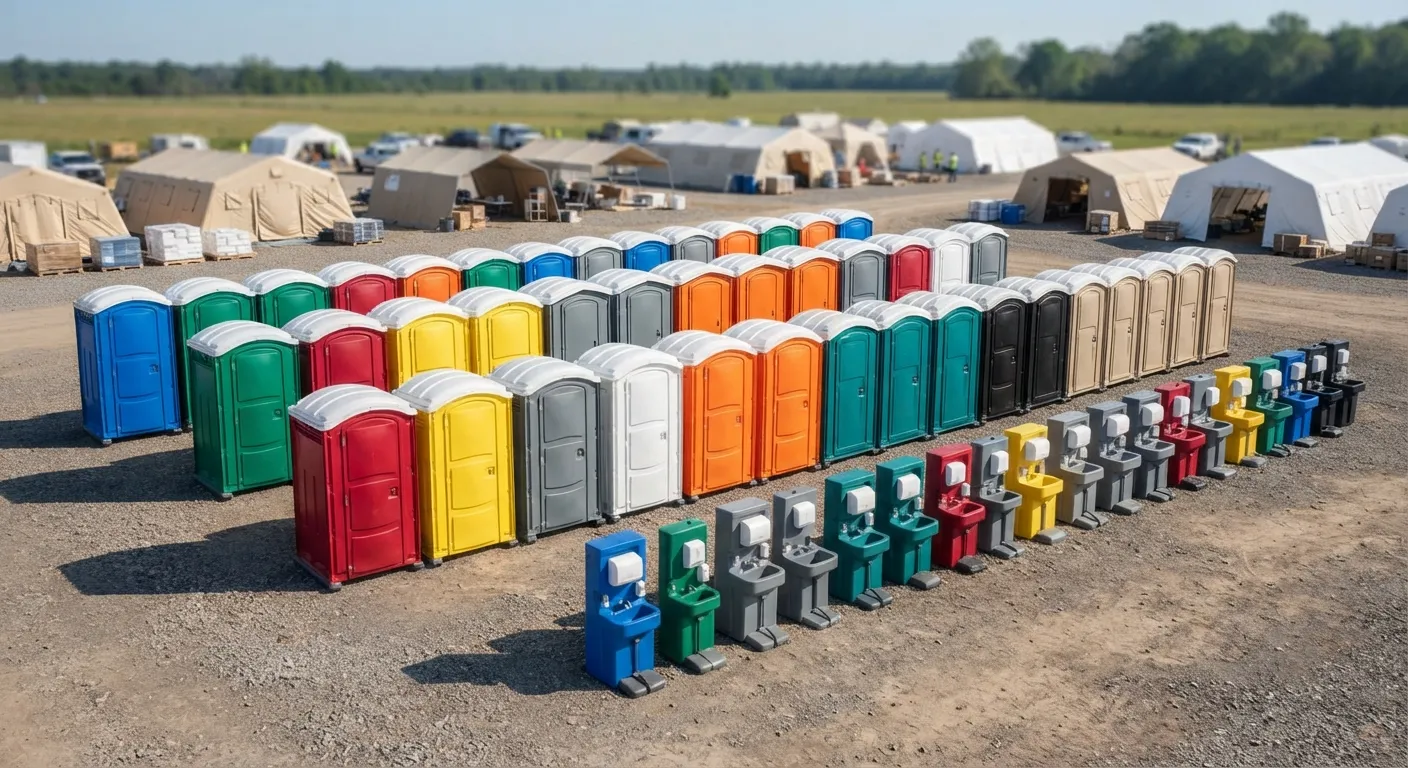
Flood, ice storm, tornado. It does not matter which one hits Macon. What matters is how fast people get a working toilet again. Macon Porta Pros keeps standard units and holding tank rentals ready to move, and priority goes to shelters, medical staging and city-designated relief points first. A single delivery truck needs about 60 feet of straight clearance behind it to set units safely, so we ask upfront about driveway space, downed limbs or blocked alleys before we roll out. If your site sits near Byron, 14.7 miles south, or Warner Robins, 18.7 miles south, that distance factors into how we sequence multiple drops in one shift. For emergencies specifically, our emergency porta potty rental page covers what we can turn around same day, and emergency septic service handles tanks that backed up or flooded during the event. We also run portable sink rental units alongside toilets, because handwashing access matters as much as the toilet itself when water service is down. A basic standard porta potty rental with a 60 to 70 gallon holding tank covers most shelter and staging needs without added complexity, and if a site later needs a longer deployment, monthly porta potty rental options keep costs predictable.
What sanitation do shelters and relief sites actually need?
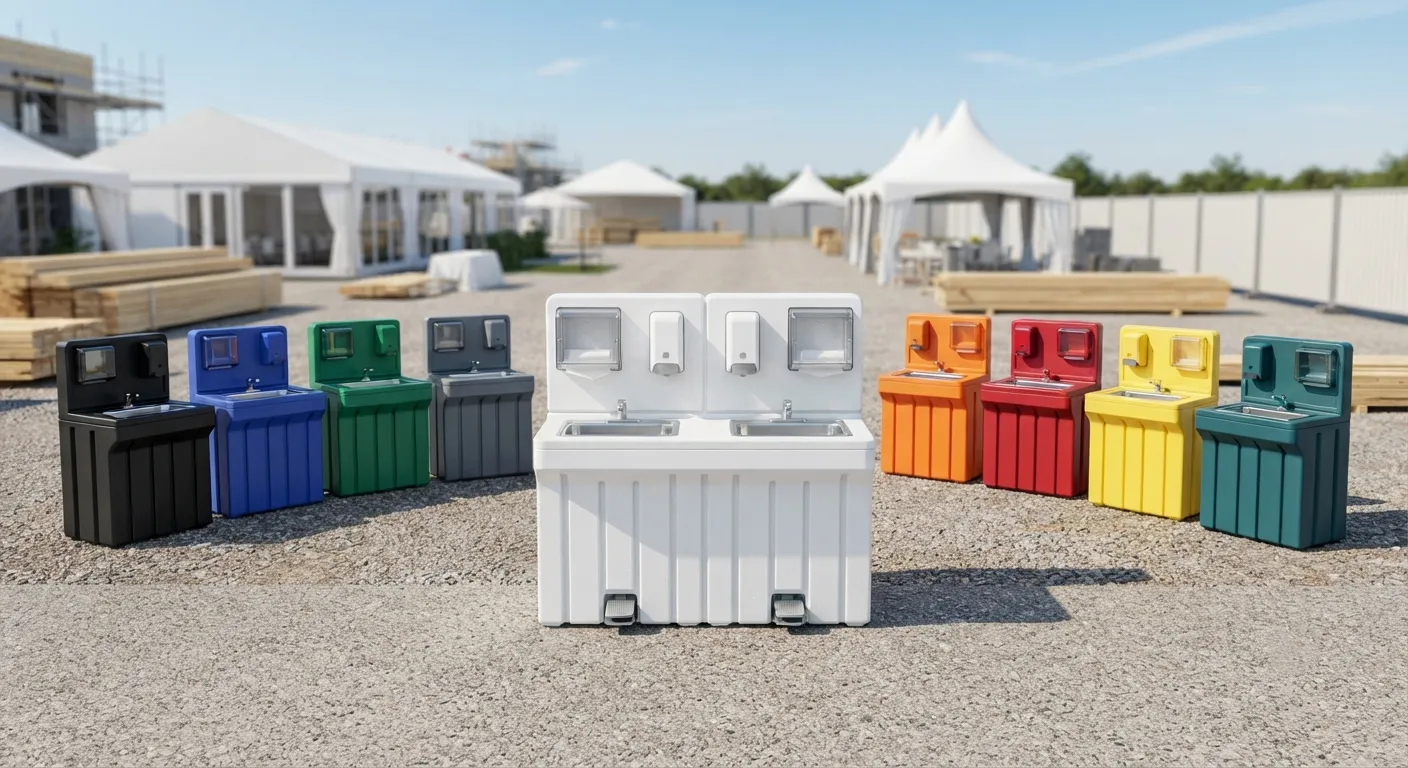
Shelters need more than toilets. They need a working supply of potable water, and OSHA 1926.51(a)(1) requires an adequate supply of potable water in all places of employment, which applies to relief workers staffing a site even when the public water system is compromised. That is why we pair handwashing station rental units with toilets rather than sending one without the other. Under 29 CFR 1910.141(d)(2), washing facilities need soap and towels or a hand-drying device; hand sanitizer alone does not satisfy that standard, so our stations carry actual soap and paper towels, not just gel. If responders are dealing with cleanup involving coatings or chemical spills, OSHA 1926.51(f)(1) requires washing facilities specifically for work involving paints, coatings, herbicides or insecticides, and that rule applies directly to storm cleanup crews handling treated debris. For accessibility, relief sites with clustered units should follow ADA Standards section 213.2: at least 5 percent of clustered single-user toilets, and never fewer than one, need to be accessible. Our ADA accessible porta potty units meet the accessible route width under ADA Standards section 403.5.1, a 36 inch minimum clear path, which matters when sites are uneven after storm damage. Worker counts on a relief staging area follow the same math as a job site under OSHA 1926.51(c): one toilet for 20 workers or fewer, scaling up from there. Our how many porta potties do I need guide walks through that ratio if you are staffing a multi-day operation, and our broader OSHA portable toilet requirements page covers the full ratio table for larger relief crews. Deluxe units are also available through our deluxe flushable porta potty line for command posts and longer-staffed staging areas.
Do you handle septic backups and flooded systems too?
Yes. Flooding and power outages knock septic systems offline as often as they knock out toilets, and a saturated drain field or a tank that took on floodwater needs pumping before it can be used again. A typical residential tank runs 1,000 to 1,500 gallons and gets pumped every 3 to 5 years under normal use, but a storm event can force an emergency pump-out well outside that schedule. Our septic pumping service crews handle that, and septic tank warning signs covers what to watch for after water recedes: slow drains, sewage odor near the drain field, or standing water over the tank lid. If your property near Bolingbroke, 15.9 miles northwest of Macon, or Centerville, 15.8 miles south, lost septic function in the storm, we can usually get a truck out the same week, sooner for active health hazards. For restaurants and commercial kitchens that lost power and let grease solidify, grease trap pumping matters too. A grease interceptor needs pumping once fats, oils, grease and solids reach 25 percent of the liquid depth, and a prolonged outage accelerates that. We also offer holding tank rental as a bridge solution while a damaged septic system gets repaired or replaced, and septic tank cleaning once the system is back online and ready for a full service. For debris cleanup running alongside sanitation needs, a roll-off dumpster rental or a 10 yard dumpster rental for smaller properties clears storm debris fast.
| unit | duration | typical price |
|---|---|---|
| standard | day | $150 |
| standard | week | $200 |
| septic | day | $250 |
| delivery_fee | day | $150 |
Prices reflect Macon-area averages and can shift based on access, site count and how many units go out in one deployment. For county-wide relief operations spanning multiple properties, our construction site services page covers how we scale delivery across several addresses in one dispatch, our porta potty rental cost page breaks down what drives pricing up or down, and our service areas page lists where else near Macon we can stage equipment on short notice.
How much notice do you need before a storm hits?
None, ideally, but earlier is better. If a storm is forecast, call ahead so units are staged before roads flood or fill with debris. Once conditions turn active, delivery slows because of the same 60 foot clearance and access issues that affect any truck on damaged roads.
Can you service a shelter that does not know how many people will show up?
Yes. Start with a conservative count based on shelter capacity, then add units as headcount grows. OSHA 1926.51(c) ratios give a workable starting point even for non-construction sites, and we can drop additional units within the same visit window if numbers spike.
What happens if roads are impassable to my site?
We reroute around blocked streets when possible, but a site needs some vehicle access for delivery. If roads are fully closed, we wait for clearance and prioritize based on medical need and shelter status first, and if temporary barriers or crowd control are needed at a staging site, temporary fence rental can secure the area once access opens back up.
Do you provide handwashing without a full restroom setup?
Yes. A standalone hand sanitizer station rental or portable sink works for triage points, food distribution and volunteer check-in areas that do not need a full toilet setup nearby.
Will insurance or FEMA reimbursement affect billing?
We invoice per the rental agreement regardless of reimbursement source. Keep copies of delivery tickets and service records; those documents are what most reimbursement processes ask for, though we recommend confirming requirements directly with your adjuster or the relevant agency.
Next step
Get a delivery date
Tell us the address, the dates and the headcount. We size the order and confirm the route.